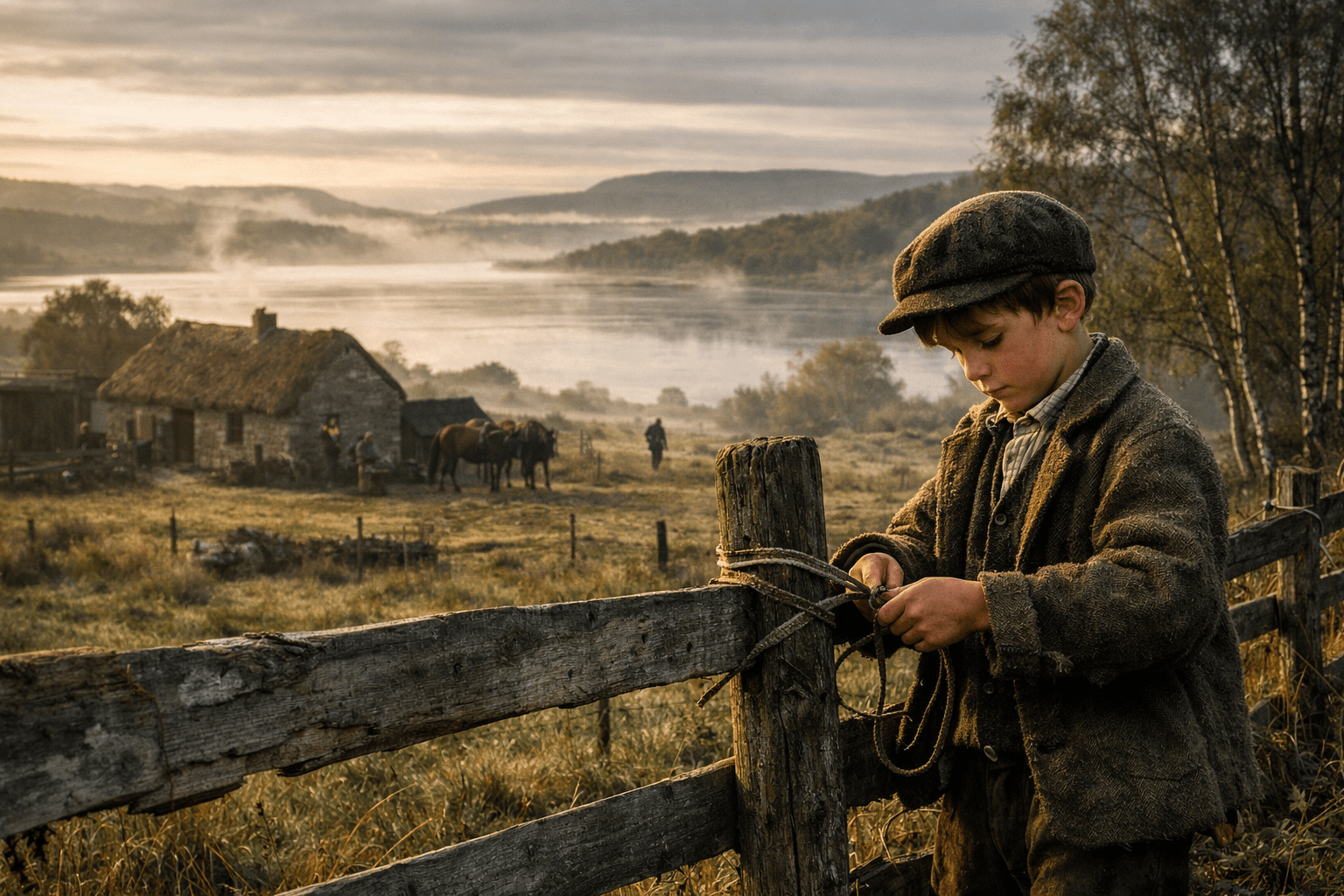
Family stories have a way of unfolding slowly, revealing new layers long after we think we know their shape. When I first wrote Alexander McCulloch: From the Croft to the Mine, I believed I had traced the main contours of his life. But recent discoveries, some found through research, others shared generously by newly connected relatives, have added depth, nuance, and unexpected turns to his story.
One of the most significant revelations was learning where Alexander spent his final years. I had not known where he died, but it now appears that, in his late seventies, he moved to Birmingham, following two of his children who had already gone south in search of work. It was there, far from the Ayrshire landscapes of his youth, that his life came to a close.
Equally important were the personal stories that surfaced through conversations with relatives I had never met before. Through them, I learned more about Alexander’s daughter Helen, who emigrated after her mother’s death. Her grandson shared a more difficult truth behind her departure: the strain of living under an overbearing father and the weight of expectations placed upon her far too young. These insights reshaped how I understood the family’s choices and the emotional undercurrents running beneath the historical facts.
This revised version brings together these new discoveries and retells Alexander’s life in a more narrative, immersive way, imagining what the world might have felt like to those who lived it. And as the story unfolds again with these added layers, broader themes begin to emerge, threads of migration, duty, and quiet resilience that run through this family’s history
Looking back across Alexander’s life, what emerges is not simply a record of dates and movements but a story shaped by the forces that have guided so many families: the pull of opportunity, the weight of responsibility, and the quiet resilience required to keep going when circumstances shift beneath one’s feet.
His journey, from a rural Sutherland croft to the coal mines of Ayrshire, and finally to the industrial sprawl of Birmingham, mirrors the broader migrations of the nineteenth century, when work, necessity, and family ties drew people far from the places that had once defined them. His children, too, followed these currents, each making choices shaped by duty, hardship, and the hope of something better.
Yet woven through these movements is the more intimate story of a family negotiating its own internal pressures. Helen’s departure, once understood simply as emigration, now carries the weight of personal struggle and the courage it took to step beyond the boundaries set for her. Her story reminds us that migration is never only about geography; it is also about emotional landscapes, the desire for freedom, and the search for a life shaped on one’s own terms.
In revisiting Alexander’s life with these new insights, the family’s resilience becomes clearer, not heroic or dramatic, but steady, human, and deeply familiar. It is the kind of resilience that threads quietly through generations, shaping the stories we inherit and the ones we choose to tell. To help evoke these worlds more vividly, I have also begun experimenting with visual storytelling, an approach I explain briefly below.
In this updated version of Alexander’s story, I have included AI‑generated images to help bring certain moments and settings to life. These images are not meant to depict exact likenesses or literal reconstructions. Instead, they serve as visual interpretations, creative tools that help evoke the atmosphere, textures, and emotional tone of the world my ancestors inhabited.
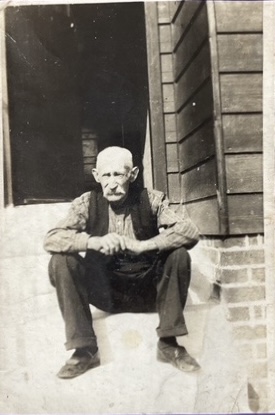
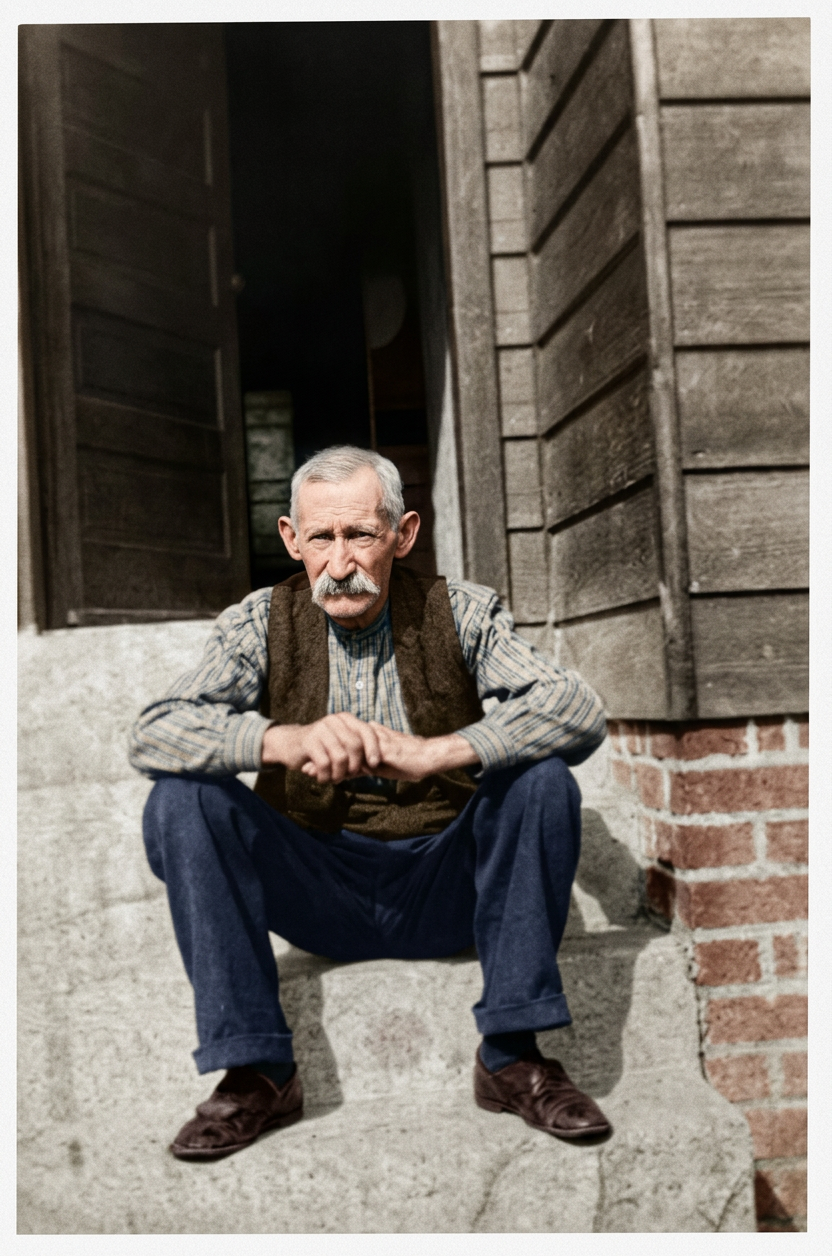
I know that not everyone is comfortable with the use of AI in family‑history work, and I understand those concerns. For me, these images are simply another way of looking closely, of imagining the past with greater immediacy, and of making long‑lost ancestors feel a little more present. They are companions to the narrative, not replacements for historical evidence, and they allow me to explore the stories I tell with both clarity and care.

