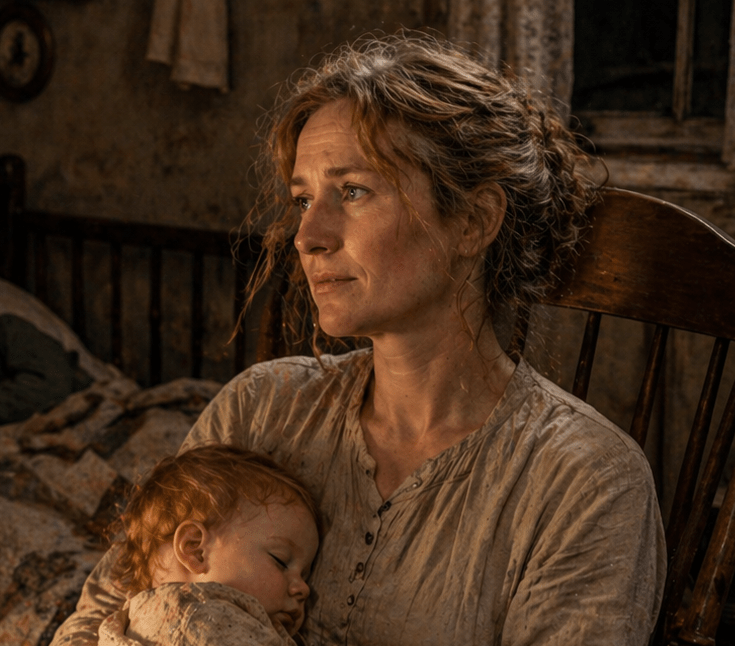
Some stories stay with you long after the research is done, and Maggie’s was one of them. As I pieced together the fragments of her life, census entries, marriage records, a death certificate written in a clerk’s careful hand, I found myself deeply moved by the quiet courage threaded through her years. Hers was not a life recorded in newspapers or preserved in family letters. It was the life of an ordinary woman living through extraordinary hardship, and that is precisely why it deserves to be remembered.
The death of her first husband, Matthew, in a colliery accident was beyond tragic. Their life together had barely begun. Their children were still so young, and Maggie herself was pregnant again when the accident happened. The impact on her must have been devastating, not only the emotional blow of losing her husband, but the sudden collapse of the fragile stability they had been building. In a mining family, the loss of a husband was not just a personal grief; it was the loss of the household’s only income, the loss of security, the loss of a future they had imagined together.
There was no NHS to care for Matthew as he struggled after his injury, no benefit system to support Maggie and her children, no official safety net to soften the blow. Doctors and medicine cost money she did not have. And it is unlikely she received any compensation from the coal company; most widows didn’t. The burden fell entirely on her shoulders: caring for an injured husband, tending to young children, grieving a baby lost too soon, and somehow keeping the household alive through a harsh Scottish winter.
What struck me most was not just the scale of her hardship, but the way she endured it. Maggie’s story is a reminder of the countless women whose lives were shaped by forces they could not control, industrial accidents, the relentless demands of raising children in poverty, yet who carried on with a quiet strength that rarely makes it into the history books.
Telling her story feels like a small act of restoration. A way of saying: she lived, she struggled, she mattered. And her resilience, even across the distance of more than a century, still has the power to move us.

